
Introduction
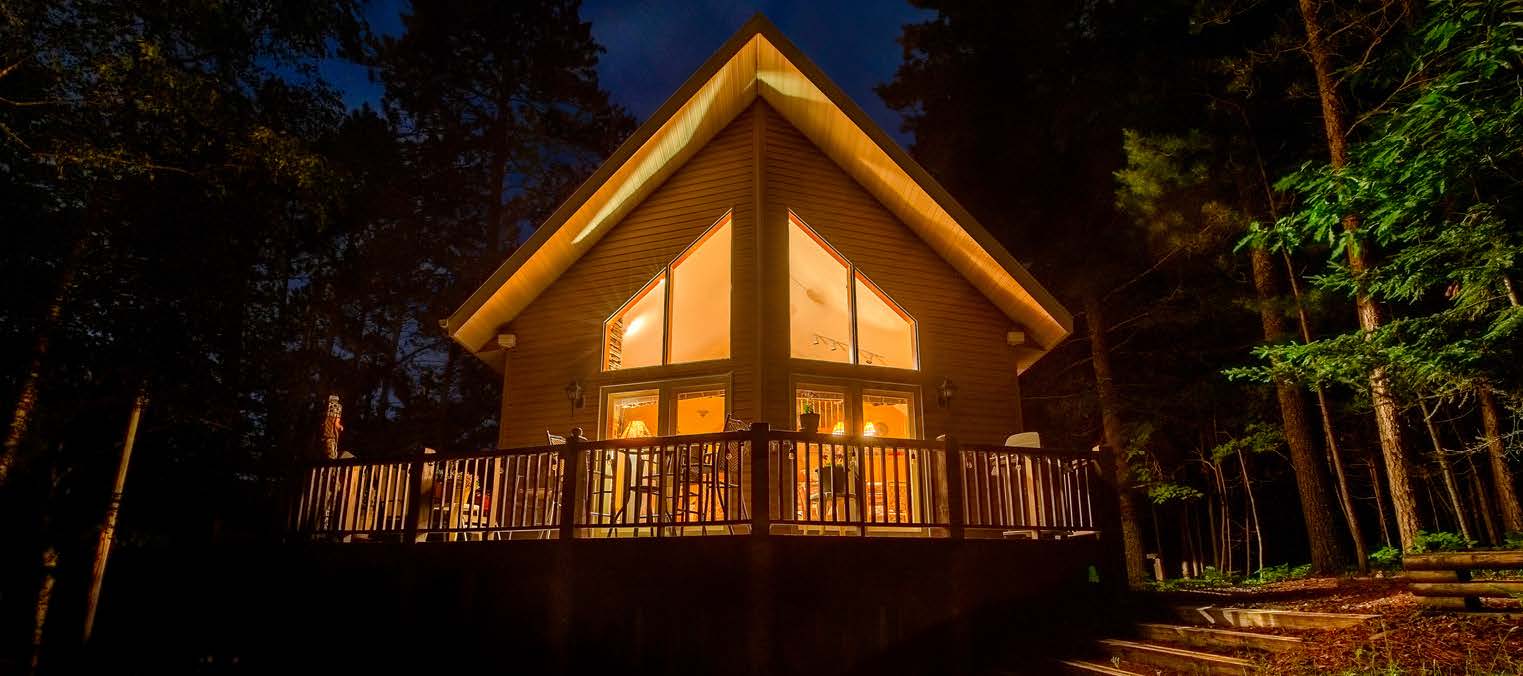
Owning a vacation home is a rewarding way to enjoy getaways, build memories, and potentially grow your investment. It also comes with unique insurance considerations. Unlike your primary residence, a second home often requires a specialized policy that addresses specific risks such as seasonal use, limited occupancy, or remote location. Understanding what coverage you already have and where gaps may exist is the first step toward making sure your property is properly insured.
What is covered under your primary residence’s homeowners insurance?
Most homeowners insurance policies provide limited coverage for personal property at an additional residence. However, if your coverage needs for your vacation home exceed this amount, you’re going to want to fill this gap by purchasing a policy that will cover your vacation home in its entirety. One way to do this is to purchase a dwelling fire policy.
What is a dwelling fire policy?
A dwelling fire policy is specially designed for a second home in that it provides coverage for the dwelling itself, along with your personal property. There are three types of dwelling fire policies:
- Standard form: This covers the building and contents from the perils of fire and lightning, and the removal of property from the dangers of fire and lightning
- Broad form: This covers your property from the above perils, plus windstorm, hail, explosion, riot and civil commotion, damage by aircraft or by vehicle, and smoke
- All-risk form: This covers the property from damage for all perils that are not specifically excluded on the policy
Just like your primary homeowners insurance policy, coverage for certain types of personal property may be limited (e.g., jewelry, money).
What about liability insurance?
Your primary residence’s homeowners policy will provide liability coverage for you at your vacation home. In fact, it will provide liability coverage for you anywhere in the world. However, if you need more liability coverage, you may want to either increase the limits on your primary residence’s policy or purchase an umbrella policy.
How much does it cost?
A dwelling fire policy is usually less expensive than your primary residence’s homeowners insurance since it usually doesn’t carry liability insurance. However, if your vacation home is located in a high-risk area (e.g., coastline, mountainside), if you rent your vacation home to others, or if you don’t spend a lot of time there, your premiums may be higher. The good news is that you can usually save on your premiums by insuring your vacation home with the same company that provides coverage for your primary residence.
A vacation home is a wonderful luxury. As with any home, it’s important that your investment is properly protected with the right insurance. Consult your insurance agent if you have any questions regarding the type of coverage that you have or to determine if your liability coverage is sufficient.
Conclusion
A vacation home brings enjoyment and long term value, but it also requires the right insurance strategy to protect your property and finances. From dwelling fire policies to additional liability coverage, taking the time to review your insurance needs can help prevent costly surprises. Work with your insurance agent to review your current protection, identify any gaps, and explore options to bundle coverage with your primary residence. With the proper plan in place, you can enjoy your vacation home with peace of mind.
Scarlet Oak Financial Services can be reached at 800.871.1219 or contact us here. Click here to sign up for our weekly newsletter with the latest economic news.
Source:
Broadridge Investor Communication Solutions, Inc. prepared this material for use by Scarlet Oak Financial Services.
Broadridge Investor Communication Solutions, Inc. does not provide investment, tax, legal, or retirement advice or recommendations. The information presented here is not specific to any individual’s personal circumstances. To the extent that this material concerns tax matters, it is not intended or written to be used, and cannot be used, by a taxpayer for the purpose of avoiding penalties that may be imposed by law. Each taxpayer should seek independent advice from a tax professional based on individual circumstances. Scarlet Oak Financial Services provide these materials for general information and educational purposes based upon publicly available information from sources believed to be reliable — we cannot assure the accuracy or completeness of these materials. The information in these materials may change at any time and without notice.