
Introduction
Manufactured homes provide a flexible and often affordable path to homeownership, but they come with unique insurance considerations. While many of the protections are similar to those of traditional homes, there are key differences in construction, risk exposure, and policy structure. Understanding what qualifies as a manufactured home, how safety standards apply, and how insurance coverage works can help ensure your home is adequately protected from unexpected loss.
What is a manufactured home?
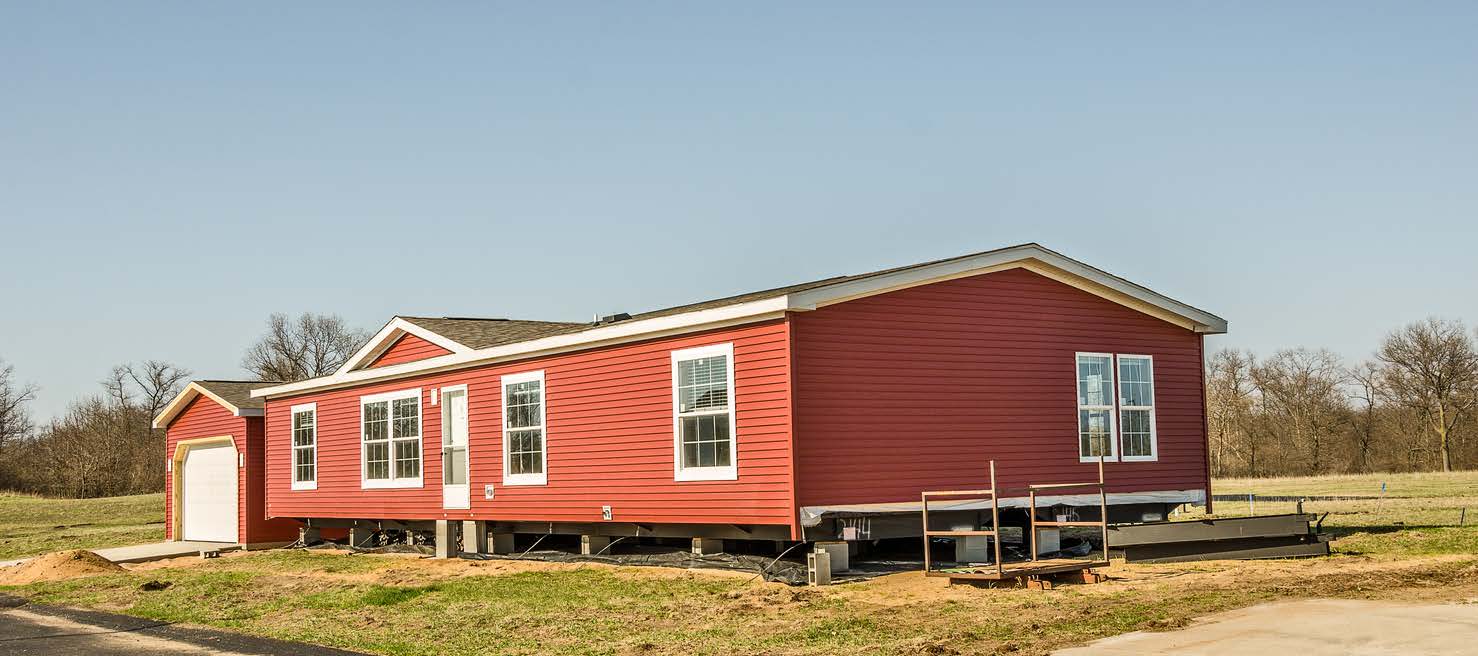
A manufactured home is a home built in a factory under controlled conditions and transported to a site to be installed. Modular homes and mobile homes are included in the definition. In fact, mobile home was the common term used for these types of homes before 1976.
Are manufactured homes safe?
On June 15, 1976, the Department of Housing and Urban Development (HUD) introduced the Manufactured Home Construction and Safety Standards Code, which requires manufactured homes to meet certain safety requirements before they can be sold. As a result of this code, the safety of manufactured homes has vastly improved.
How are manufactured homes insured?
A manufactured-home policy contains many of the same coverages as a regular homeowners policy, such as coverage for the dwelling itself, your personal property, and liability claims. And like a regular homeowners policy, policies typically have coverage limits and a deductible.
Where can you buy it?
You can use a form of traditional homeowners insurance to insure your manufactured home. However, insurance companies are beginning to offer insurance specifically designed for manufactured homes.
How much does it cost?
Insuring a manufactured home usually costs more than it does to insure a traditional site-built home. Reasons include that manufactured homes are more susceptible to extensive damage from fire, frozen pipes, and storms. However, there are some steps you can take to lower the cost of your premiums:
- Before you buy a manufactured home, make sure that it complies with HUD’s Manufactured Home Construction and Safety Standards Code.
- To prevent damage from freezing pipes, make sure that your home is well insulated.
- To minimize damage from storms, consider purchasing a double-wide, rather than a single-wide, home. Also, be sure to secure your home to the ground with tie-downs and ground anchors.
As with any home, it’s important that your investment is properly protected with the right insurance. Consult your insurance agent if you have any questions regarding the type of coverage that you have or the steps that you can take to reduce your premiums.
Conclusion
Protecting your manufactured home with the right insurance coverage is an essential step in securing your investment and financial peace of mind. From understanding the available policies to taking proactive measures that reduce risk and premiums, informed decisions can make a meaningful difference. Work closely with a qualified insurance agent to ensure your coverage aligns with both your home’s features and your long-term needs.
Scarlet Oak Financial Services can be reached at 800.871.1219 or contact us here. Click here to sign up for our weekly newsletter with the latest economic news.
Source:
Broadridge Investor Communication Solutions, Inc. prepared this material for use by Scarlet Oak Financial Services.
Broadridge Investor Communication Solutions, Inc. does not provide investment, tax, legal, or retirement advice or recommendations. The information presented here is not specific to any individual’s personal circumstances. To the extent that this material concerns tax matters, it is not intended or written to be used, and cannot be used, by a taxpayer for the purpose of avoiding penalties that may be imposed by law. Each taxpayer should seek independent advice from a tax professional based on individual circumstances. Scarlet Oak Financial Services provide these materials for general information and educational purposes based upon publicly available information from sources believed to be reliable — we cannot assure the accuracy or completeness of these materials. The information in these materials may change at any time and without notice.